
On June 24, 2022, I received a biopsy report from the hospital.
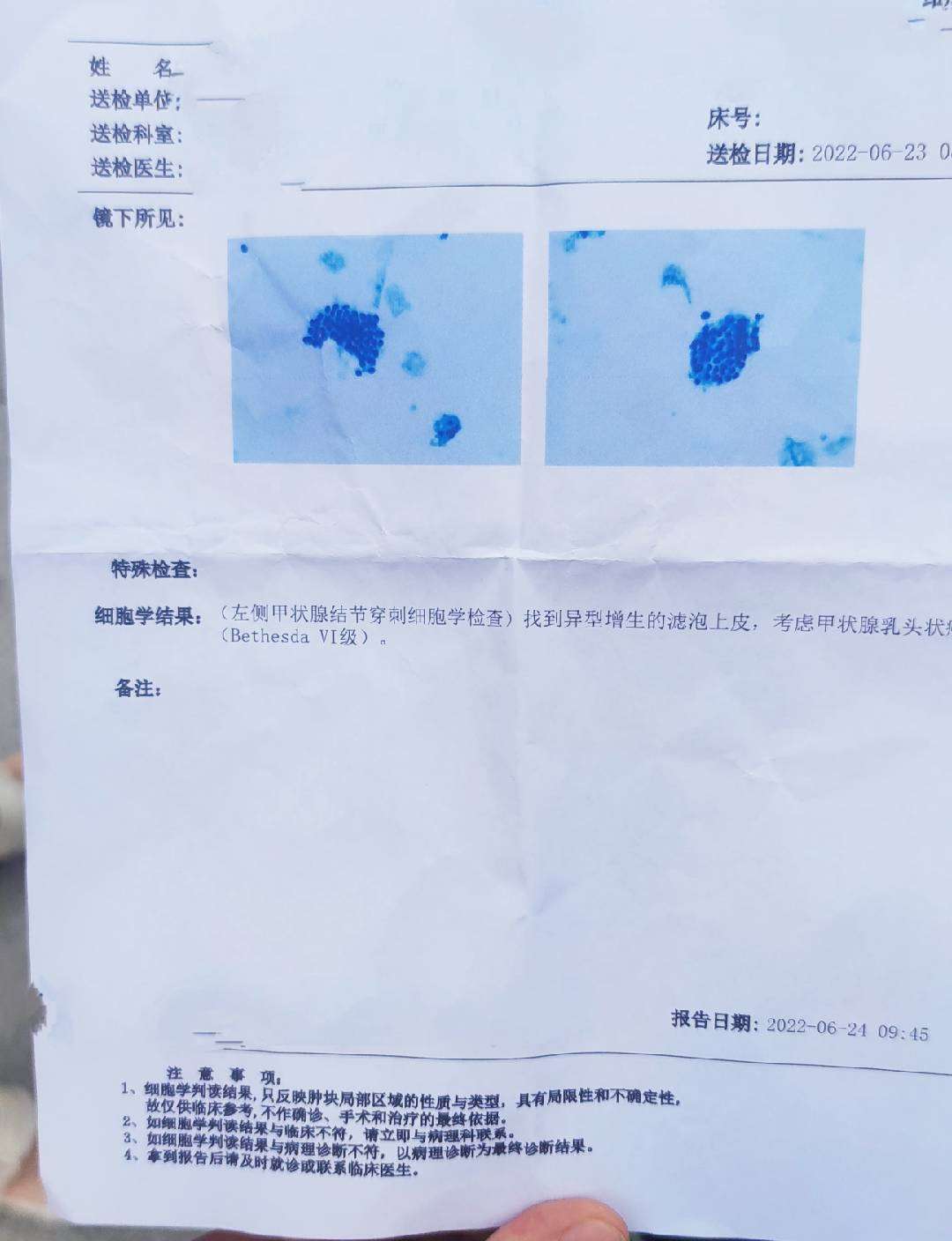
It indicated papillary thyroid cancer, prompting me to pause my work immediately and start a month-long treatment journey for thyroid cancer.
Initially, colleagues and relatives would often reassure me by saying, “Thyroid cancer is the ‘good cancer’ with a very high cure rate and excellent prognosis. Someone I know had it and has been fine for five years after surgery.” While I believe their intention was to ease my fears, I felt it was important not to underestimate this condition requiring surgery, nor to be overly fearful just because it’s labeled as cancer. In my view, an inadequate understanding of a technology or a health condition either leads to undue fear or underestimation.
Over the month, I gradually shifted from fear to understanding of this disease. Below, I share my experiences regarding the disease, treatment, insurance, and psychological changes, hoping to help those in need. I wish for everyone’s lifelong health and hope you’ll never need this information.
Please note, I’m not a professional; my insights are from a personal perspective and may not be universally applicable. Each case varies, so always heed experts and doctors for medical advice. My sharing is intended for reference only.
Understanding the Disease
The first question was, why did I get this disease? Doctors I consulted said there’s no definitive cause for thyroid cancer; it might relate to childhood radiation exposure, but this is uncertain.
The high cure rate of thyroid cancer leads some to call it the “good cancer.” This view is overly simplistic, as prognosis depends on cancer type, stage, metastasis, age, and overall health. There are four main types of thyroid cancer: Papillary, Follicular, Medullary, and Anaplastic. Outcomes vary greatly; some live 20 years post-diagnosis, while others survive only six months.
For more information: https://chinese.thyca.org/types.chs.htm
Finding a Doctor
Choosing the right doctor in a big city can be challenging. Without connections in the medical field, here are some strategies I found helpful:
-
Consult Multiple Experts: Don’t rely on one opinion. Compare different specialists to see who seems most reliable and patient-focused. Consistent treatment plans across doctors indicate a mature, effective approach. I consulted five experts, all recommending surgery and lymph node dissection.
-
Online Reviews: Websites like “Good Doctor” offer reviews and doctor specializations. While not foolproof, they provide additional insights.
-
Personal Judgment: Titles don’t necessarily reflect skill. I favored doctors who listened attentively, communicated honestly, and showed trustworthiness. A doctor frequently consulted by peers is generally reliable.
Surgical Treatment
After understanding the disease and consulting experts, I chose a trusted doctor for surgery.
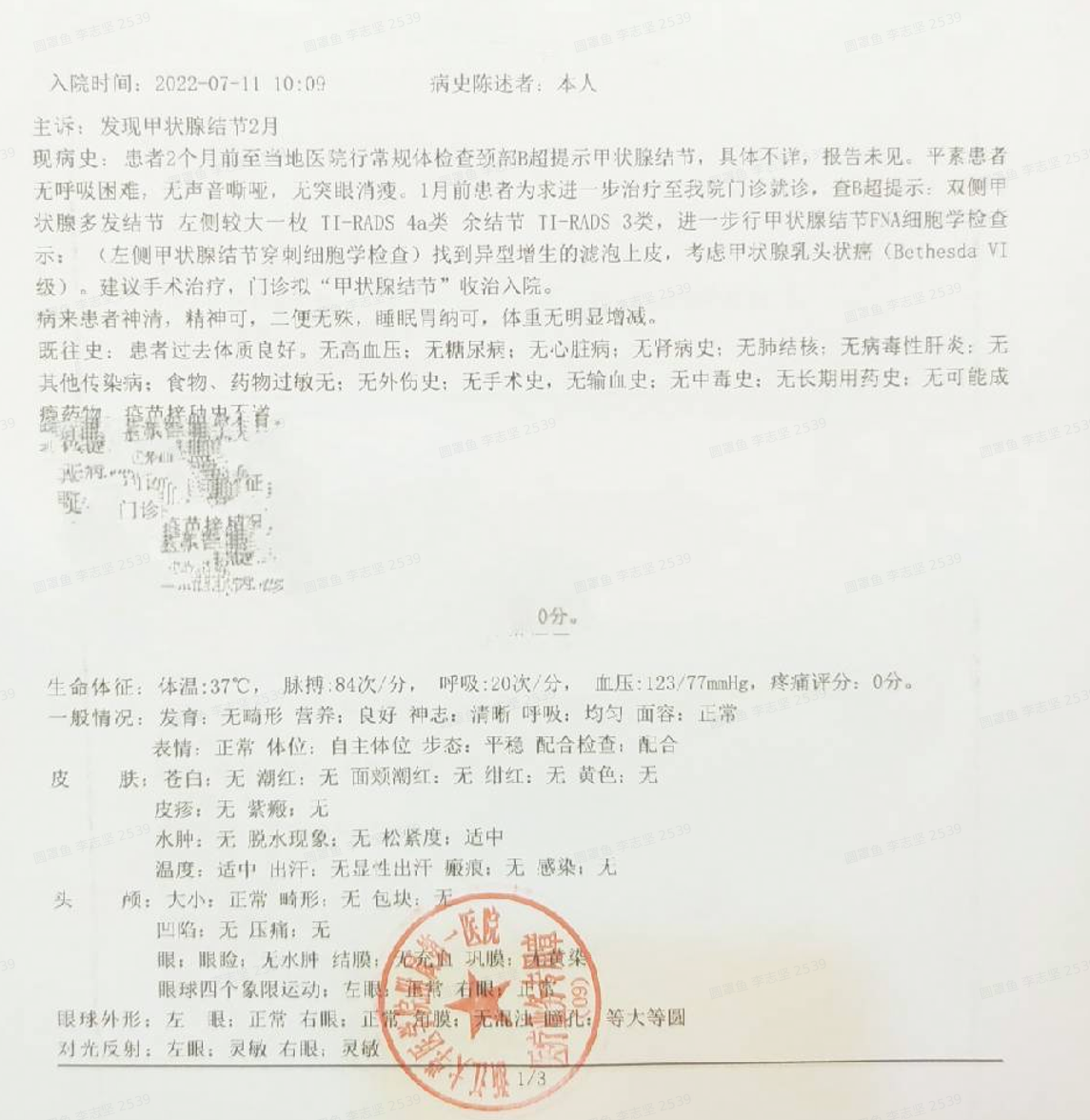
Being my first surgery, I had many questions:
- Who will accompany me? I had my sister for support. In the absence of family, consider hiring a nurse (around 200 CNY for 24 hours in Hangzhou; varies by city).
- What is the treatment process? Unlike project management, medical processes are less predictable and more adaptive. You’ll often get instructions shortly before they’re needed.
- Potential Complications? Understand the procedure and its potential risks. Patient stories on platforms like Zhihu helped me prepare psychologically. Here are some shared experiences:
Insurance
After surgery, I processed insurance claims. I had three policies: Alipay’s Medical Insurance, Cancer Insurance, and a one-year Critical Illness plan. Key points:
-
Pathology Report: Insurance requires a biopsy report of the affected tissue, not just ultrasound or fine-needle aspiration reports.
-
Commercial Insurance Claims: If your commercial health insurance is secondary to social insurance, you must first claim from social insurance. For instance, my surgery cost about 17,000 CNY. Social insurance covered 10,000 CNY, and commercial insurance reimbursed the remaining 7,000 CNY.
Psychological Changes
This experience shifted my mindset:
-
From Long-term to Mid-term Thinking: I now focus on 3-5 year plans instead of far-off future plans, acknowledging life’s fragility and unpredictability.
-
Openness to Help: The overwhelming support I received taught me to accept and offer help more freely.
-
Accepting Imperfection: I’ve learned not everything needs to be perfect; it’s okay to accept imperfections.
Further Details
Post-surgery, there are aspects like scar and muscle healing, medication adjustments, regular check-ups, and handling potential metastasis, which I’ll continue to explore and share.

This article is my personal share, hoping to assist those in need, though I wish for everyone’s everlasting health and no need for such guidance.